


Top Mistakes Pond Owners Make When Choosing an Aerator
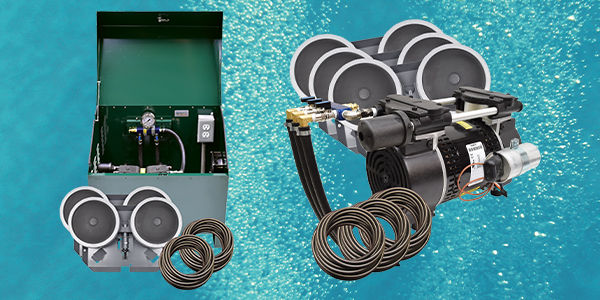
Pond owners often make mistakes like choosing the wrong aerator size, ignoring pond depth, or buying cheap systems that fail quickly. These errors can harm fish, reduce water quality, and waste money. The best way to avoid these problems is to match the aerator to your pond’s size, depth, and goals, and choose top-rated aeration systems for ponds with the right features, accessories, and power options.
Are You Using the Wrong Pond Aerator Without Even Realising It?
Ever looked at your pond and wondered why the water still looks dull… even though you bought an aerator? You’re not alone. Many pond owners think any aerator will “do the job,” but the truth is different. One small mistake can weaken your pond’s health, stress your fish, and quietly drain your wallet. Let’s fix that today—so your pond finally looks alive, clean, and full of energy.
How Simple Mistakes Can Harm Fish and Waste Money
Choosing the wrong aerator may not show problems right away. But over time, fish start gasping, algae grows faster, and odours appear. A poorly matched aerator works harder than it should, burning more power and wearing out early. Let’s look at the most common mistakes so you can avoid them and protect both your pond and your budget.
Common Mistakes Pond Owners Make When Selecting an Aerator
Picking the Wrong Aerator Size
Many pond owners guess instead of measuring. But aerators are not “one size fits all.” A system that’s too small can’t push enough oxygen, and a system that’s too big becomes noisy, costly, and unnecessary. A correctly sized aerator keeps fish healthy and water clear, without wasting money.
Wrong size reduces oxygen levels
Fish may gather near the surface gasping
Overworked motors wear out fast
Energy bills increase
Water stays cloudy and smelly
2. Ignoring How Deep the Pond Actually Is
Depth changes everything. Some aerators are built for shallow ponds, while others are made to push air deep underwater. If your aerator can’t reach the pond bottom, the lower layer stays “dead” with no oxygen and harmful gases build up.
Shallow aerators fail in deep ponds
Weak mixing leads to algae growth
Bottom muck builds up quicker
Fish become stressed
Water circulation becomes uneven
3. Choosing the Wrong Power Option
Some ponds are near a power source, while others sit far away. Picking the wrong power type solar, electric, or wind—can limit performance. A poorly powered system stops working during key times, putting fish at risk.
Not enough airflow during cloudy days (solar)
High energy use (electric)
Inconsistent operation (wind)
Extra costs to run long power cables
Reduced aeration during peak heat
4. Forgetting About Maintenance Requirements
An aerator that’s too difficult to maintain becomes a headache. Filters clog. Air pumps overheat. Tubing cracks. Routine care keeps your aerator working smoothly and extends its life, but many pond owners overlook this when buying.
No easy access to replace filters
Pumps become loud or weak
Dirt builds up in airline tubes
Higher repair costs later
More downtime during summer
5. Missing Important Accessories (Like Weighted Airline)
Accessories may look optional, but they’re not. Weighted airlines keep tubing on the pond floor so the system works properly. Without them, tubing floats, tangles, and reduces airflow.
Floating lines tangle in plants
Reduced oxygen delivery
Lost airflow from leaks or kinks
Time wasted fixing tubing
Higher chance of system failure
6. Going for Cheap, No-Name Aerators
Bargain aerators seem tempting, but most fail early. They often use weak pumps, thin tubing, and low-quality diffusers. A pond relies on reliable oxygen—so poor equipment can create a real risk.
Short lifespan
Loud motors
Weak airflow
Poor customer support
No replacement parts
7. Not Matching Aerator Type to the Pond’s Needs
Every pond has a purpose fish, plants, clarity, or simply beauty. Each goal needs a different aerator style. When owners choose wrongly, they miss out on the results they want.
Surface aerators suit shallow ponds
Bottom diffusers suit deep ponds
Decorative fountains are mainly visual
High-oxygen ponds need stronger systems
Wrong type means wasted money
How to Avoid These Mistakes and Choose the Perfect Aerator
Simple Sizing Formula
A good aerator fits your pond perfectly. You don’t need fancy maths—just a simple rule of thumb. When you size your aerator correctly, oxygen spreads evenly, fish stay healthy, and the whole pond stays balanced all year.
1 aerator system per ¼ acre pond surface
Deeper ponds need stronger pumps
Add extra diffusers for long or irregular ponds
Check airflow rating (CFM) before buying
Use top-rated aeration systems for ponds for best results
Best Aerator Types for Different Pond Goals
Every pond is different. Maybe you want crystal-clear water, faster fish growth, or a beautiful fountain look. Choosing the right aerator helps you reach your goal faster.
Bottom diffusers: best for deep ponds
Surface aerators: ideal for shallow, wide ponds
Solar aerators: great for remote ponds
Decorative fountains: best for visual appeal
High-output systems: great for fish-heavy ponds
What Features to Look For
Good aerators share certain features. They last longer, run quieter, and deliver steady airflow. These features help you avoid breakdowns and keep the pond in top shape.
Quiet, energy-efficient compressor
Weighted airline and strong diffuser
Weatherproof housing
Easy-change filters
Warranty and reliable support
Ready to Pick the Right Aerator?
You now know the biggest mistakes and how to avoid them. The next step is simple: choose a system that matches your pond’s size, depth, and goals. Strong aeration means happier fish, cleaner water, and a pond you’ll love looking at every day.
Encourage Readers to Explore Aeration Kits
If you want a system that works year-round and saves you from repeated upgrades, explore top-rated aeration systems for ponds. These kits include everything you need—compressors, airlines, diffusers, and accessories—so you get strong, steady oxygen without stress.
CTA to Shop or Learn More
Ready to make your pond clearer, healthier, and easier to care for?
Browse our aeration kits today and find the perfect match for your pond.
FAQs
How do I know if my pond needs an aerator?
If water looks cloudy, fish stay near the surface, or algae grows fast, your pond likely needs aeration.
Can an aerator run all year?
Yes. Many systems are designed for all seasons, even winter.
What size aerator do I need?
Most ponds need one full system per ¼ acre. Deeper ponds need stronger pumps.
Are solar aerators good?
Yes, especially for off-grid ponds but they may be weaker on cloudy days.
How long do aerators last?
Good systems last 5–10 years with basic care.


Comments